Colorectal cancer
Colorectal Cancer Prevention: A Complete Guide from Risk Reduction and Screening to Post-Treatment Recovery
- National Cancer Institute. Colorectal cancer prevention (PDQ) — health professional version. 2025. cancer.gov
- US Preventive Services Task Force. Screening for colorectal cancer: USPSTF recommendation statement. JAMA, 2021, 325(19): 1965–1977.
- National Cancer Center of China. Chinese guideline for colorectal cancer screening and early diagnosis (2020, Beijing). China Cancer, 2021, 30(1): 1–28.
- National Health Commission of China. Colorectal cancer screening and early diagnosis protocol (2024 edition). 2024.
- STEELE S R, CHANG G J, HENDREN S, et al. Surveillance and survivorship care after curative treatment of colon and rectal cancer. Dis Colon Rectum, 2021, 64(5): 517–533.
- COURNEYA K S, VARDY J L, O’CALLAGHAN C J, et al. Structured exercise after adjuvant chemotherapy for colon cancer. N Engl J Med, 2025, 393(1): 13–25.
Abstract
Colorectal cancer is a common malignancy of the digestive tract and one of the cancers most amenable to a full-spectrum management chain spanning prevention, screening, early diagnosis, treatment, rehabilitation, and long-term follow-up. Its development typically follows a sequential progression—from normal mucosa through precancerous lesions to invasive carcinoma—creating clear windows of opportunity for primary prevention, secondary screening, and tertiary survivorship care. This article is organized around the three-level prevention framework and covers risk factor control, evidence-based screening pathways, early symptom recognition, post-treatment surveillance, exercise and nutrition rehabilitation, and recurrence prevention. The overarching message is that colorectal cancer prevention and control is not something you address only when symptoms appear, nor does it end when surgery is over. It is a long-term health management commitment that requires the active participation of individuals, families, communities, and healthcare providers.
Keywords: colorectal cancer; three-level prevention; precancerous lesions; evidence-based screening; colonoscopy; post-treatment follow-up; exercise rehabilitation; recurrence prevention
1. Why Colorectal Cancer Is Ideal for a Full-Spectrum Prevention Strategy
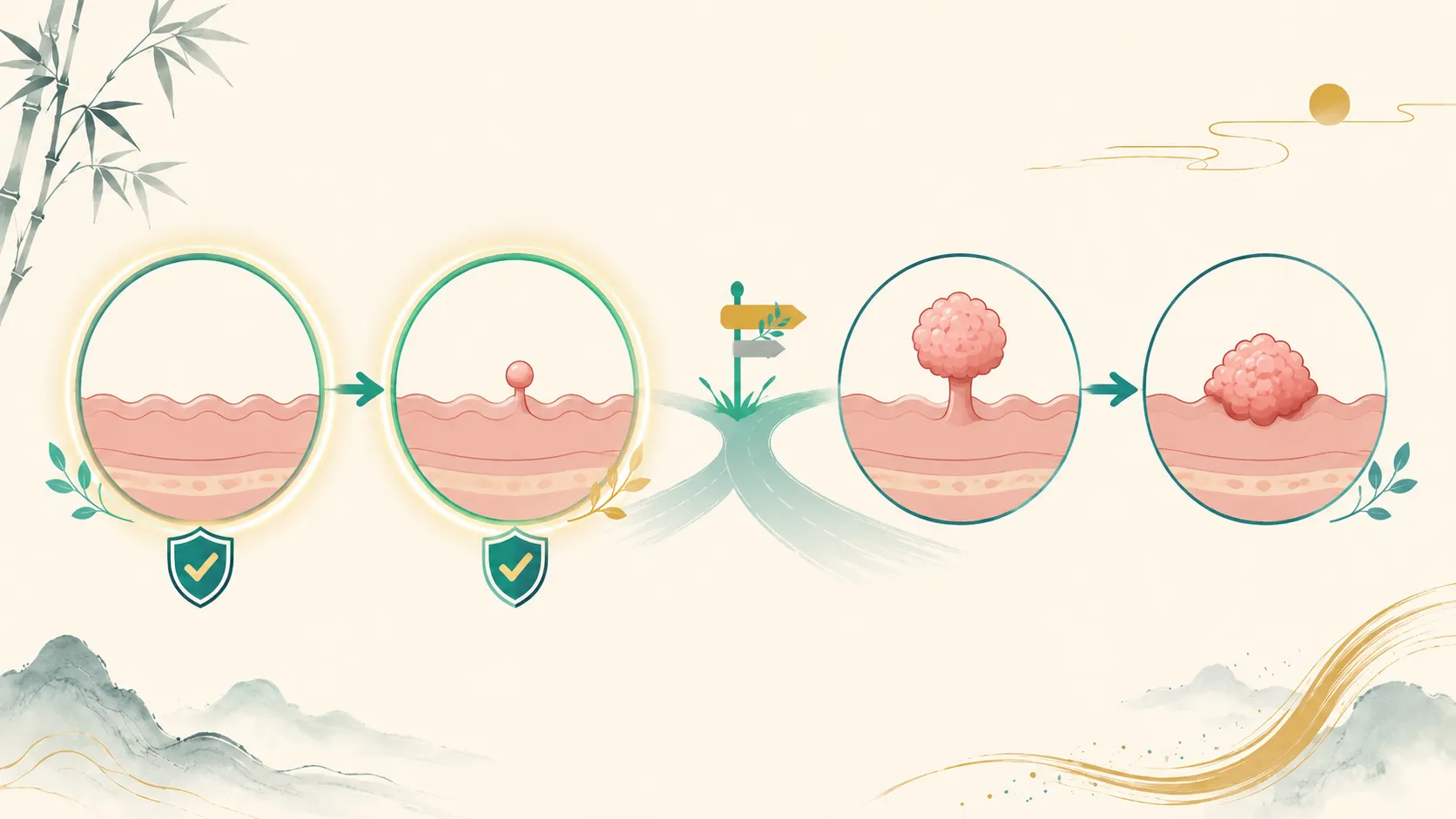
Colorectal cancer does not usually appear without warning. In many cases, the disease is preceded by precancerous stages—adenomas, serrated lesions, and other abnormal growths—that can exist for years before becoming invasive. This long developmental window offers a critical opportunity: if precancerous lesions are detected and removed early, the progression to cancer can be stopped altogether. If caught at an early cancer stage, treatment outcomes and long-term survival are far better than when the disease is discovered late.
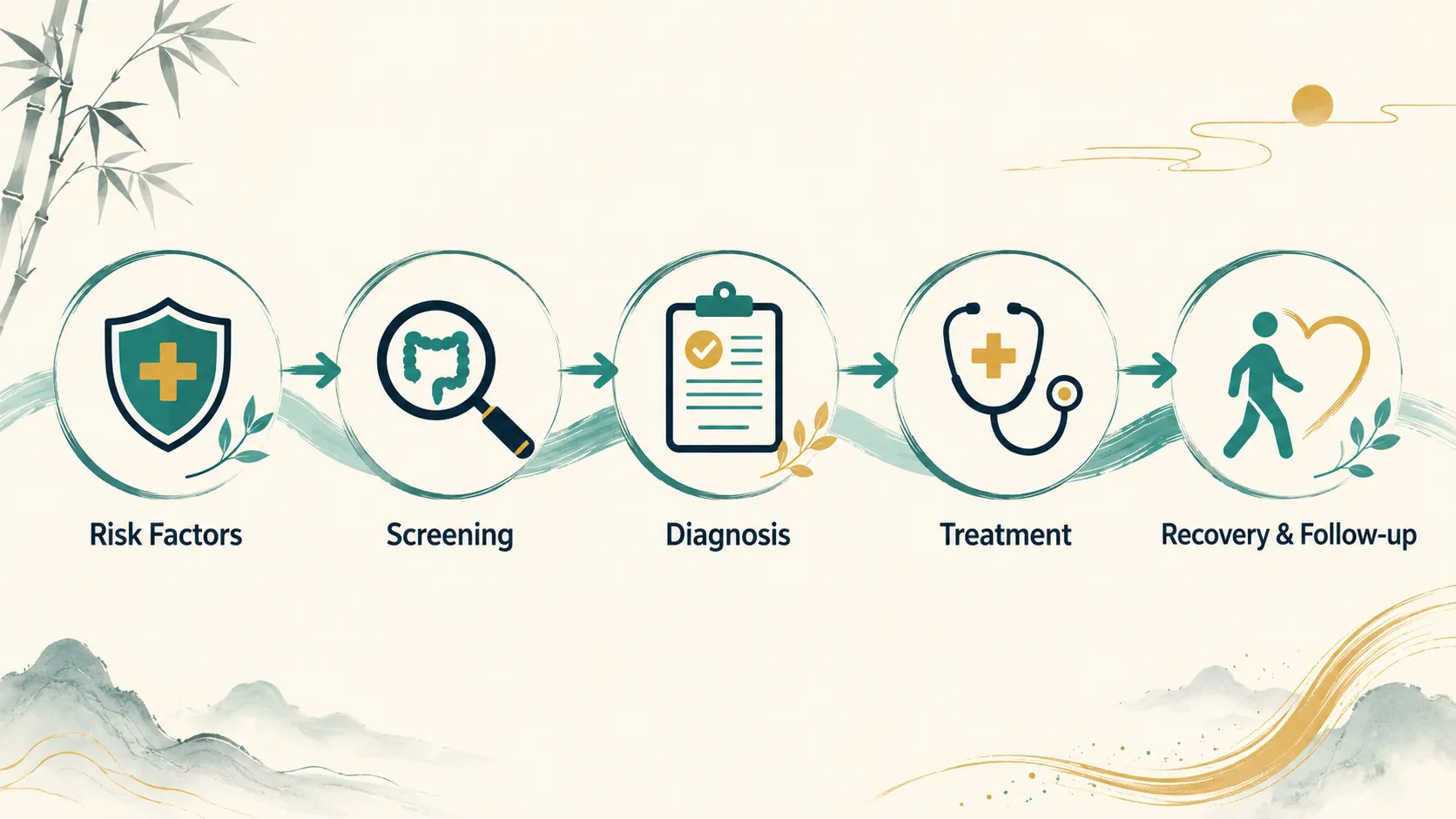
For this reason, colorectal cancer prevention and control should not be reduced to "treating cancer once it is diagnosed." It is better understood as a continuous chain:
- For the general population: reduce modifiable risk factors.
- For people at elevated risk: begin screening earlier and at appropriate intervals.
- For those with a positive screening test: complete a diagnostic colonoscopy without delay.
- For patients who receive a cancer diagnosis: undergo guideline-based treatment.
- For survivors after treatment: commit to long-term surveillance, recurrence prevention, and restoration of function and quality of life.
2. Primary Prevention: Lowering Risk Before Cancer Develops
Primary prevention aims to reduce the likelihood that colorectal cancer will develop in the first place. It does not depend on any single "anti-cancer superfood" or supplement. Instead, it relies on sustained lifestyle management and awareness of personal risk factors.
A consistent body of evidence links colorectal cancer risk to overweight and obesity, physical inactivity, tobacco use, alcohol consumption, high intake of processed meats and excessive red meat, insufficient dietary fiber, type 2 diabetes, inflammatory bowel disease, a personal history of colorectal polyps, and a family history of colorectal cancer [1–3].
Five actionable priorities stand out for the public:
- Maintain a healthy body weight, with particular attention to abdominal obesity. Adipose tissue is not simply an energy depot—it is metabolically active and contributes to chronic inflammation, insulin resistance, and metabolic dysregulation, all of which may influence cancer risk pathways.
- Increase regular physical activity and reduce sedentary time. Exercise supports weight management and is also associated with improved gut motility, metabolic health, lower systemic inflammation, and enhanced immune function. For most people, weaving activities such as brisk walking, cycling, swimming, and resistance training into daily routines is more important than occasional high-intensity workouts.
- Adopt a plant-forward dietary pattern. Increase intake of whole grains, vegetables, fruits, and legumes. Limit processed meats and excessive red meat. An "anti-cancer diet" is not a list of expensive specialty foods—it is a long-term pattern characterized by balance, adequate fiber, minimal processing, and low alcohol intake.
- Stop smoking and limit alcohol. Both tobacco and alcohol use are associated with an elevated risk of multiple cancers. For cancer prevention, not smoking and drinking little to no alcohol are the most reliable choices.
- Know whether you are in a high-risk group. People with a first-degree relative who had colorectal cancer, a personal history of adenomatous polyps or inflammatory bowel disease, a suspected hereditary cancer syndrome, or persistent gastrointestinal symptoms such as blood in the stool or a lasting change in bowel habits should not dismiss these as minor digestive complaints.
Primary prevention is not about creating anxiety—it is about turning risk into a set of health indicators you can manage over the long term.
3. Secondary Prevention: Screening Looks for Precancerous Lesions, Not Just Cancer
Many people avoid colorectal cancer screening because they mistakenly believe that screening means "suspecting you already have cancer." In reality, the greatest value of screening lies in finding precancerous lesions or early-stage cancer when no symptoms are present.
Currently available screening methods include fecal immunochemical testing (FIT), guaiac-based fecal occult blood testing (gFOBT), stool DNA testing, flexible sigmoidoscopy, colonoscopy, and CT colonography [4–6]. Each method has its role: stool-based tests are relatively convenient and noninvasive, which helps boost population screening participation; colonoscopy allows direct visualization of the colorectal mucosa and enables biopsy of suspicious lesions or polyp removal, making it the pivotal tool for both screening and diagnosis.
For people at average risk, major international guidelines generally recommend starting colorectal cancer screening around age 45 and continuing through age 75. For adults aged 76 to 85, the decision to continue screening should be individualized, taking into account overall health, prior screening history, and personal preferences [4]. In screening practice in China, a common strategy combines risk assessment + stool-based initial screening + colonoscopy for those with positive results, balancing population coverage, healthcare resource allocation, and screening accessibility [5–7].
Three important points deserve emphasis:
- A positive stool test does not mean you have cancer, but it must be evaluated further—in particular, a colonoscopy should be completed.
- A negative stool test does not mean you are safe forever; repeat screening at the recommended interval is still necessary.
- Having had one normal colonoscopy does not mean you never need another one; the follow-up interval depends on the findings, polyp history, and individual risk.
Colorectal cancer screening is not a one-time task—it is an ongoing practice of dynamic risk management.
4. Warning Signs You Should Not Ignore: Don't Blame Everything on Hemorrhoids
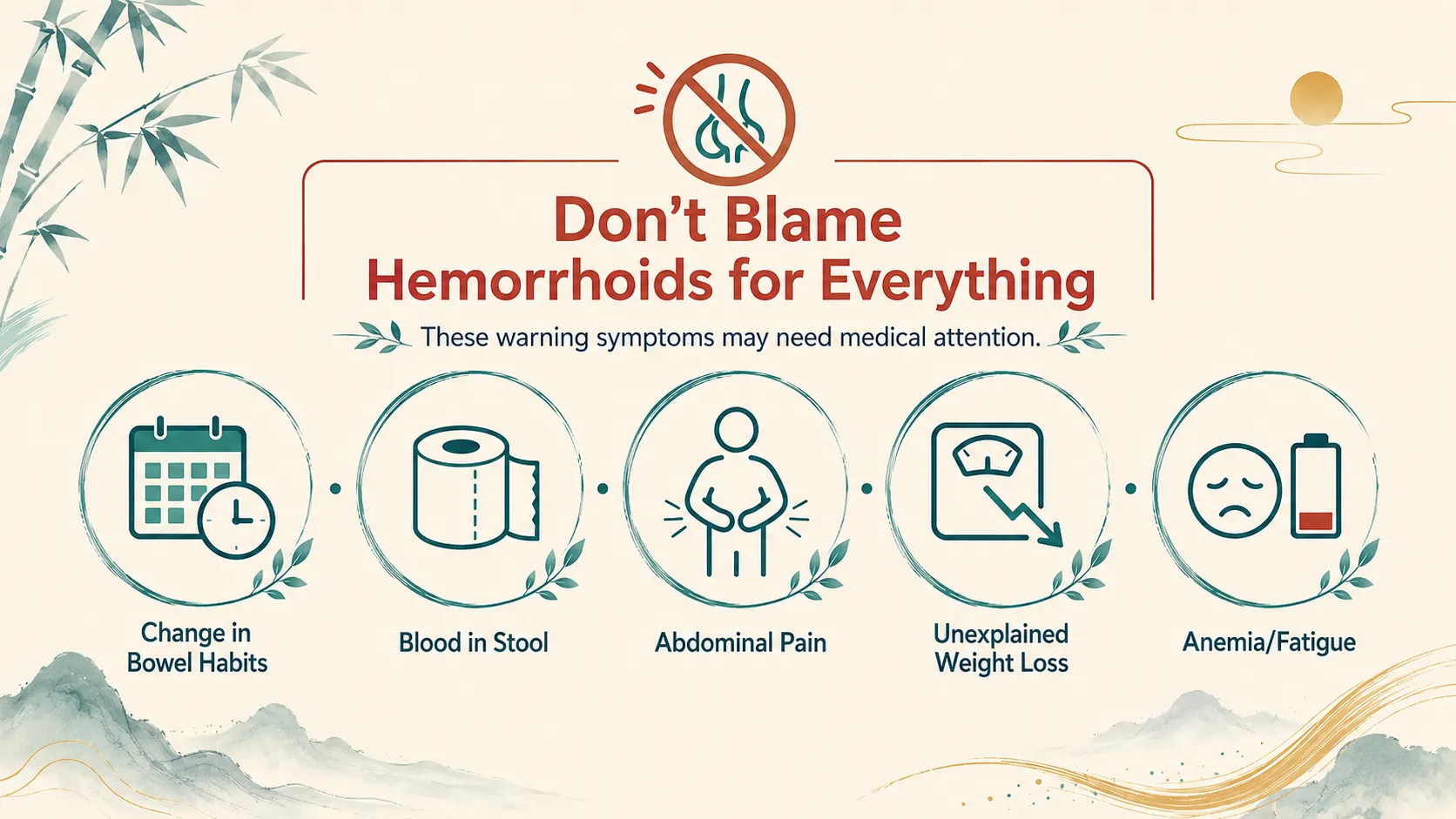
Early-stage colorectal cancer may cause no noticeable symptoms. However, the following signs should prompt prompt medical evaluation:
- A clear change in bowel habits, such as persistent diarrhea, constipation, or alternating between the two
- Stool that appears narrower than usual, or contains blood, mucus, or an abnormal color
- Recurrent abdominal pain, bloating, or a palpable abdominal mass
- Unexplained anemia, fatigue, or unintentional weight loss
- Symptoms suggestive of bowel obstruction, such as worsening abdominal pain and distension, inability to pass gas or stool, and vomiting
- New gastrointestinal symptoms in a person with a history of polyps, inflammatory bowel disease, or a family history of colorectal cancer
Younger adults should not dismiss their symptoms either. Even if you have not yet reached the recommended screening age, persistent rectal bleeding, anemia, a lasting change in bowel habits, or unexplained weight loss are reasons to see a clinician—not to wait until a certain birthday.
5. Tertiary Prevention: Surgery Ends, but Management Does Not
Tertiary prevention addresses patients who have been diagnosed with and treated for colorectal cancer. Its goals include reducing the risk of recurrence, detecting recurrence or a second primary cancer early, managing treatment-related late effects, and restoring physical function and quality of life.
Post-treatment surveillance after colorectal cancer surgery typically includes history and physical examination, carcinoembryonic antigen (CEA) monitoring, imaging studies, and colonoscopy at specified intervals [8–9]. The intensity of follow-up is determined by tumor stage, histopathologic risk features, treatment modalities received, whether the tumor was rectal, and whether neoadjuvant or adjuvant therapy was used.
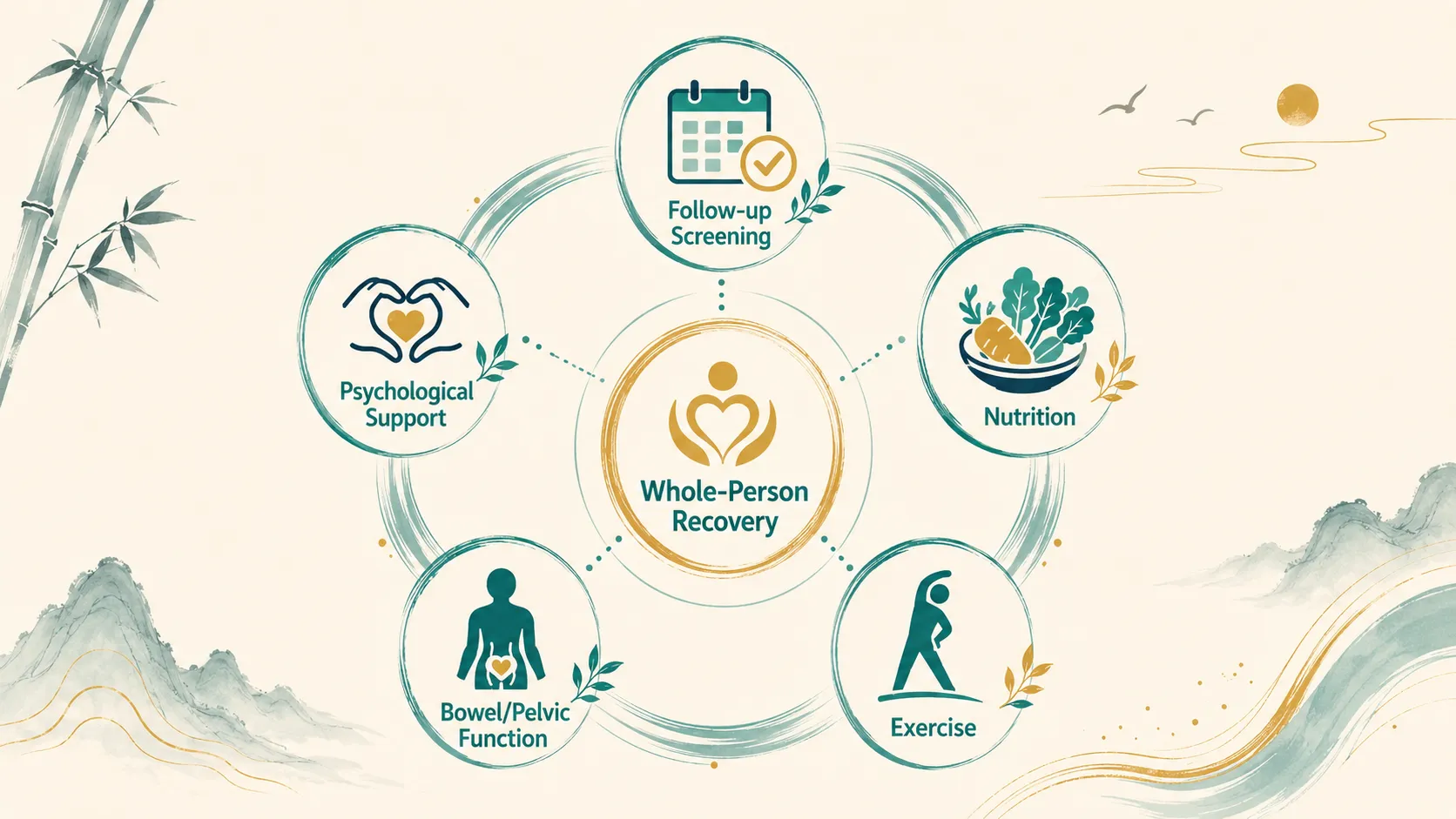
But post-treatment management is not limited to "showing up for follow-up appointments." Patients and families should also attend to four broad areas of recovery:
5.1 Nutritional Rehabilitation
In the early postoperative period, preventing malnutrition, anemia, low protein stores, and muscle wasting is essential. Once treatment is completed, the goal is a gradual return to a balanced, sustainable diet. There is no evidence that any dietary supplement can reliably prevent colorectal cancer recurrence. Do not pin hopes of "staying cancer-free" on pills, powders, or unproven remedies [10].
5.2 Exercise Rehabilitation
Exercise should begin at a safe, low-intensity level that is sustainable, with gradual progression tailored to the type of surgery, presence of a stoma, degree of anemia, cardiopulmonary fitness, and phase of treatment. A randomized trial published in 2025 reported that a structured exercise program initiated after adjuvant chemotherapy improved disease-free survival outcomes in some patients with colon cancer [11]. This suggests that exercise is not merely about "getting stronger"—it may be an integral component of oncology rehabilitation.
5.3 Bowel and Pelvic Floor Rehabilitation
Some patients experience increased stool frequency, urgency, incontinence, diarrhea, constipation, or low anterior resection syndrome (LARS) after surgery. Those treated for rectal cancer may also face pelvic floor dysfunction, urinary difficulties, sexual health concerns, and challenges adapting to an ostomy. Rehabilitation should incorporate stool diaries, dietary tracking, pelvic floor training, ostomy care, and referral to specialized rehabilitation services when needed.
5.4 Psychological and Social Recovery
After completing treatment, many patients struggle with fear of recurrence, sleep disturbance, difficulty returning to work, and shifting family roles. Truly comprehensive care means helping patients move from being "someone being treated" back to being "someone with life goals."
6. Preventing Recurrence: Evidence-Based Surveillance and Lifestyle—Not Unproven Remedies
One of the most common questions patients ask after surgery is, "What else can I do to keep the cancer from coming back?" This question deserves a careful answer. Recurrence risk is shaped by multiple factors—tumor stage, molecular features, completeness of surgical resection, lymph node status, adjuvant therapy received, comorbidities, and lifestyle—and cannot be reduced to a single food, supplement, or folk remedy.
A more scientific approach is to build a personal survivorship record that includes at least the following:
- Pathologic stage and surgical approach
- Whether chemotherapy, radiation, targeted therapy, or immunotherapy was received
- Baseline and serial CEA and other tumor marker levels
- Scheduled chest, abdominal, and pelvic imaging surveillance
- Colonoscopy surveillance timeline
- Nutritional status and weight trends
- Exercise capacity and muscle strength
- Bowel function, ostomy status, and pelvic floor function
- Psychological well-being, sleep quality, and social reintegration
7. A Three-Point Action List for the Public
Full-spectrum colorectal cancer prevention and control can be distilled into three principles:
Even without symptoms, start screening at the recommended age.
If a screening test is positive, do not delay the colonoscopy.
When treatment ends, management does not.
For the general public, the highest priorities are proactive screening and healthy lifestyle changes. For high-risk individuals, the focus should be on individualized screening plans and long-term follow-up. For cancer survivors, the emphasis belongs on guideline-based surveillance, nutrition and exercise rehabilitation, and psychosocial support.
The goal of colorectal cancer prevention and control is not merely to cure the cancer—it is to protect health and quality of life across a longer timeline, starting earlier.
References
- National Cancer Institute. Colorectal cancer prevention (PDQ)–health professional version [EB/OL]. (2025). https://www.cancer.gov/types/colorectal/hp/colorectal-prevention-pdq
- JOHNSON C M, WEI C, ENSOR J E, et al. Meta-analyses of colorectal cancer risk factors[J]. Cancer Causes & Control, 2013, 24(6): 1207-1222.
- ROCK C L, THOMSON C, GANSLER T, et al. American Cancer Society guideline for diet and physical activity for cancer prevention[J]. CA: A Cancer Journal for Clinicians, 2020, 70(4): 245-271.
- US PREVENTIVE SERVICES TASK FORCE. Screening for colorectal cancer: USPSTF recommendation statement[J]. JAMA, 2021, 325(19): 1965-1977.
- National Cancer Center of China. China guideline for colorectal cancer screening and early diagnosis and treatment (2020, Beijing)[J]. China Cancer, 2021, 30(1): 1-28.
- National Health Commission of China. Colorectal cancer screening and early diagnosis and treatment protocol (2024 edition)[S/OL]. (2024). http://www.nhc.gov.cn
- Expert Consensus Group on Colorectal Cancer Screening in Chinese Communities. Expert consensus on colorectal cancer screening in Chinese community residents[J]. Journal of Environmental Hygiene, 2024, 14(1): 1-12.
- STEELE S R, CHANG G J, HENDREN S, et al. Surveillance and survivorship care of patients after curative treatment of colon and rectal cancer[J]. Diseases of the Colon & Rectum, 2021, 64(5): 517-533.
- National Health Commission of China. Chinese protocol for diagnosis and treatment of colorectal cancer (2023 edition)[S]. Beijing, 2023.
- ROCK C L, THOMSON C A, SULLIVAN K R, et al. American Cancer Society nutrition and physical activity guideline for cancer survivors[J]. CA: A Cancer Journal for Clinicians, 2022, 72(3): 230-262.
- COURNEYA K S, VARDY J L, O'CALLAGHAN C J, et al. Structured exercise after adjuvant chemotherapy for colon cancer[J]. New England Journal of Medicine, 2025, 393(1): 13-25.